
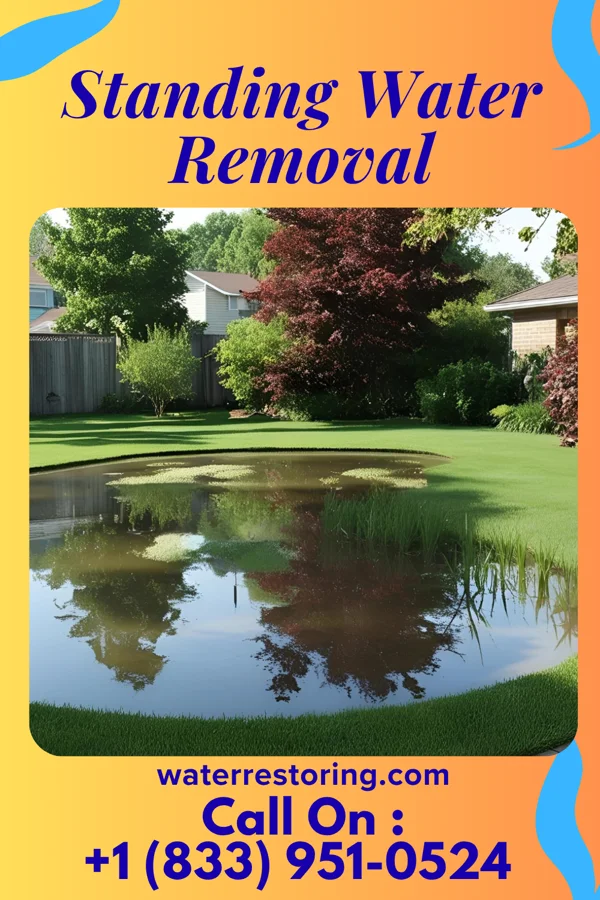
Why Lake Shastina Sees Standing Water Often
The pattern in Lake Shastina is consistent. Lake Shastina, located near Siskiyou, is prone to seasonal flooding due to its proximity to the Shasta River and the surrounding mountainous terrain. Heavy rainfall and snowmelt can lead to sudden water accumulation in low-lying areas, particularly affecting rural properties near Edgewood, Carrick, and Weed. These conditions often result in standing water that can seep into basements and crawl spaces. drives most of the emergency restoration calls we get. A close second is In addition to flooding, water damage in Lake Shastina is commonly caused by leaking septic tanks, burst pipes, and malfunctioning sump pumps in older homes. The region's rural nature means that many properties lack modern drainage systems, increasing the risk of water intrusion during heavy storms..
Lake Shastina experiences a Mediterranean climate with dry summers and wet winters, making it vulnerable to sudden water damage events. The area is also at risk of flash flooding due to steep topography and rapid runoff from mountainous regions.
Lake Shastina experiences a Mediterranean climate with dry summers and wet winters, making it vulnerable to sudden water damage events. The area is also at risk of flash flooding due to steep topography and rapid runoff from mountainous regions. The dominant local driver is Lake Shastina, located near Siskiyou, is prone to seasonal flooding due to its proximity to the Shasta River and the surrounding mountainous terrain. Heavy rainfall and snowmelt can lead to sudden water accumulation in low-lying areas, particularly affecting rural properties near Edgewood, Carrick, and Weed. These conditions often result in standing water that can seep into basements and crawl spaces., with In addition to flooding, water damage in Lake Shastina is commonly caused by leaking septic tanks, burst pipes, and malfunctioning sump pumps in older homes. The region's rural nature means that many properties lack modern drainage systems, increasing the risk of water intrusion during heavy storms. showing up as the next most common cause. Damage builds in stages. Spread. Absorption. Microbial growth. Structural compromise. Every stage you pass through adds to the final bill.